
Cars don’t usually die in one clean moment. A repair you didn’t plan for turns into a habit. The warning light stays on long enough that it stops alarming you. Renewing insurance feels pointless, but you do it anyway. Somewhere along the line, the car is still legally yours, but practically, it’s already exited your life.
That’s where most people stall. Not because the situation is unclear, but because deciding feels heavier than waiting. Leaving things as they are feels easier, even when it quietly costs more, and it does. Time passes, parts degrade, rules change, and options shrink.
The option of scrap cars isn’t a last-ditch move. It’s a structured, regulated way to end ownership without dragging things out. What once felt like a hassle is now one of the cleanest exits available. Here’s why acting sooner usually makes more sense than holding on.
Why Scrapping Starts Making Sense
There’s a point where alternatives stop pulling their weight. Repairs don’t improve reliability anymore. Selling privately demands effort, patience, and responsibility long after the car leaves. Trade-ins rarely apply when a vehicle can’t meet basic standards.
Scrap car for cash removes all that friction. The car isn’t judged on appearances or performance. It’s assessed for what can still be recovered. Materials, components, and recyclables determine the value. That shift matters because it focuses on reality, not wishful thinking.
10 Primary Reasons Why You Should Scrap Your Car Now:
1. Value Exists Even When the Car Doesn’t Run
A car doesn’t need to start to be worth something. Metals, wiring, batteries, catalytic components, and reusable parts all carry value. In many cases, same day cash for cars is given as soon as the car is collected; no waiting, no drawn-out discussions, no deals that fall apart halfway through. For anyone who wants a clear outcome without uncertainty, this directness matters.
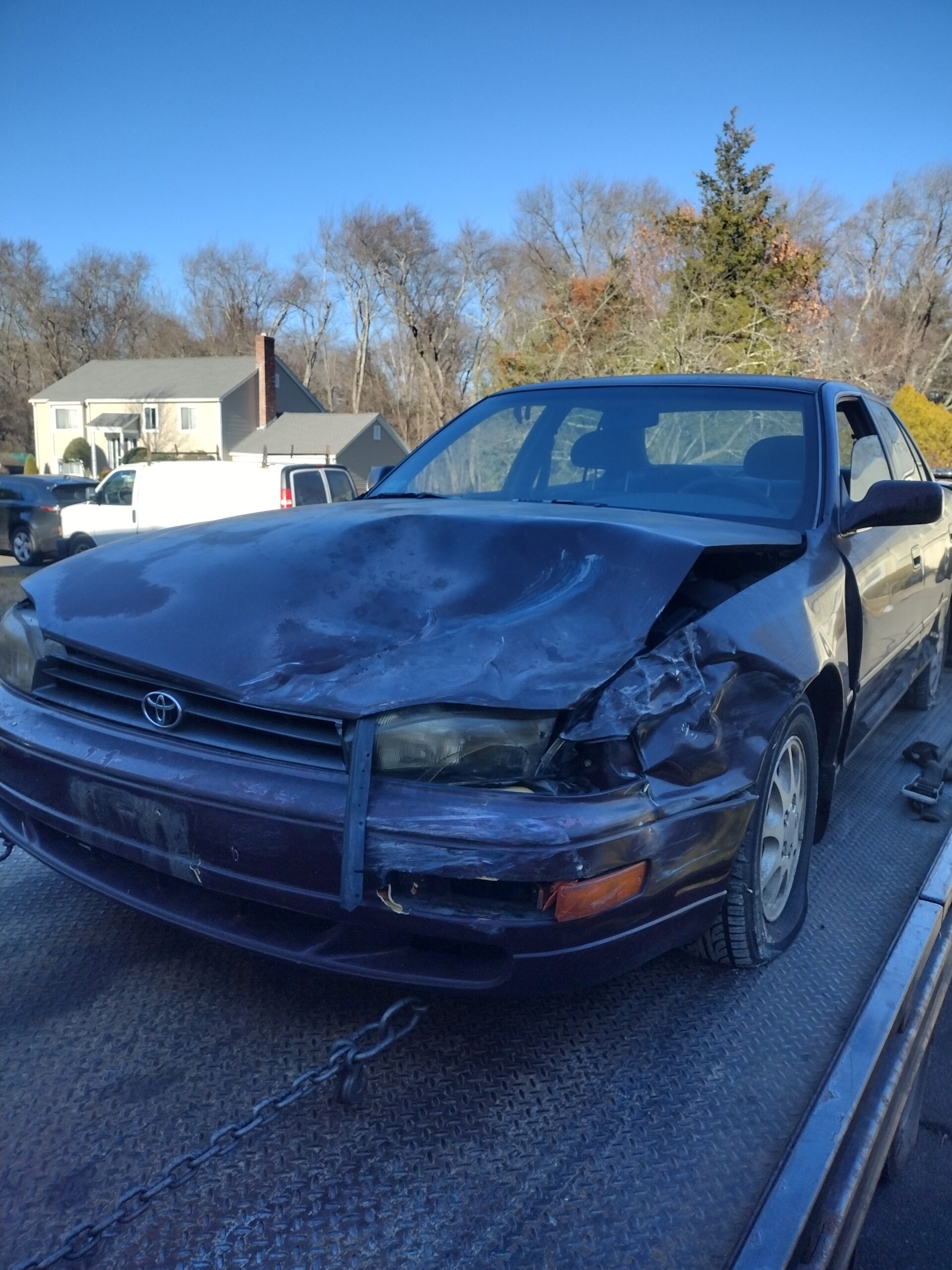
2. Taking Back Space You Forgot You Lost
A car that’s no longer useful still occupies space. Garages turn into clutter zones, driveways stay blocked, and shared parking becomes an everyday irritation. It blends into normal life until the car is finally gone. Once it’s removed, the change is immediate. That space becomes usable again. Many people only realize afterward how much room they had been giving up for something that wasn’t giving anything back.
3. Stepping Out of the Repair Loop
Older vehicles don’t usually fail once and settle. Problems arrive in waves. Fixing one issue exposes another. Costs rise while trust in the car never fully returns. It creates a false sense of progress. Money goes in, but confidence doesn’t follow. Scrapping ends that loop. The car is accepted exactly as it is, without expectations. Instead of chasing stability that never arrives, owners choose to stop the cycle.
4. Staying Ahead of Rules and Penalties
Emissions, inspections, and registration rules don’t pause just because a car isn’t driven much. Non-compliant vehicles can still attract fines or forced action. Scrapping voluntarily keeps control with the owner. Decisions happen on your timeline, not because of a notice or deadline. Acting early avoids rushed compliance and removes the stress of reacting to enforcement.
5. What Actually Happens to the Car
Scrapping isn’t dumping. Modern facilities operate under environmental rules that dictate how vehicles are dismantled. Fluids are drained safely, batteries are separated, hazardous materials are contained, and metals are recovered and reused. It’s a controlled process designed to reduce harm, not create it. For people who care where their car ends up, this matters more than they expect.
6. Clean Paperwork, No Loose Ends
Private sales are messy. Buyers disappear, prices change, paperwork drags, and liability can remain unclear even after the car is gone. Scrapping avoids that. Pricing is agreed upfront, pickup is scheduled, payment happens at collection, and ownership transfer is handled properly. No follow-ups, doubts, or wondering if the car will come back to haunt you.
7. Why Waiting Often Costs You
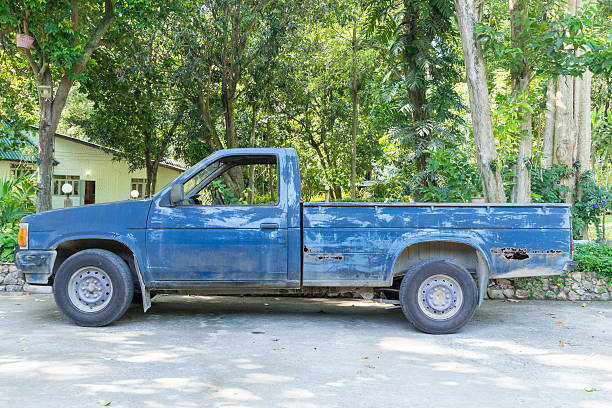
Scrap values move with global demand. Manufacturing cycles, supply chains, and market shifts all play a role. Waiting doesn’t promise better pricing. Meanwhile, the car continues to degrade, rust spreads, parts seize, and materials lose quality. More often than not, delaying lowers value instead of increasing it. In many cases, scrapping earlier pays better than hoping for a resale later.
8. Cutting Off Ongoing Costs
Even parked cars cost money. Registration renewals, insurance, parking fees, compliance checks, none of it adds value, but all of it drains cash quietly. Once the car is scrapped and ownership is closed, those costs stop. Not temporarily, but completely.
9. Stopping Value from Slipping Away
Cars decay faster when they sit unused. Weather exposure, lack of movement, and aging electrical systems speed up decline. A car that still had potential months ago can lose most of its worth simply by sitting. Scrapping earlier locks in value before it slips further. It replaces uncertainty with a fixed outcome.
10. Closing the Chapter
Scrapping is final. When the car is removed from your name, the responsibility ends. There’s no risk of misuse, abandonment issues, or future disputes. For inherited vehicles, accident write-offs, or cars that have been sitting untouched for years, this clarity is often the biggest relief. Nothing lingers.
In a Nutshell
Holding onto a scrap car isn’t passive. While it sits, value fades, and costs continue quietly. The longer it stays unresolved, the fewer upsides remain. Scrapping turns a stagnant vehicle into an immediate return. It simplifies ownership, meets requirements, and removes future risk. With same-day cash for cars available, waiting rarely improves the outcome once the situation is clear.
If you’re deciding what to do next, timing matters. Acting sooner protects value; hesitation doesn’t. Contact us today!